In FC 27 Ultimate Team, you'll often see certain Objectives require players to complete assists, which in most cases is harder than scoring objectives. But actually, the assist mechanic in FC 27 is quite simple—it's not entirely the same as the assist mechanic in real life.
Breakdown of FC 27's Basic Assist Detection Mechanic
According to the standard assist统计 criteria in regular matches, an assist mainly depends on the last valid teammate touch before a goal. Common assist types include the following.
- Ground Pass
- Through Ball
- Lob Pass
- Cross
- Cutback
- Corner cross
All of these count as assists. Their common trait is that the assisting player successfully passes the ball to the finisher, who then successfully shoots and scores.
If the pass is slightly deflected by an opposing player but still successfully reaches the goalscorer, and the goal is subsequently completed, that still counts as an assist.
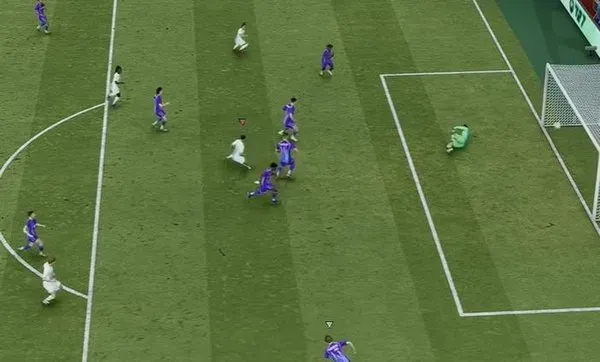
In Which Situations Is No Assist Awarded?
When the goal involves a third person, or the ball is successfully intercepted by the opponent midway, the assist transfers or no assist is awarded.
For example, Player A attempts a shot but the opposing goalkeeper successfully saves it. Player B immediately follows up and scores. Under standard assist统计, Player A does not get an assist in this case—it's a second-phase attack after a shot, not the last pass that directly created the goal.
What Are Assist Types?
Assists also come in many types. In FC 27 Ultimate Team, different Objectives may have different assist requirements, for example:
- Assist
- Through Ball Assist
- Cross Assist
- Flair Pass Assist
Using a regular short pass to help a teammate score can complete a regular Assist objective, but it won't complete a Through Ball Assist objective—you must use a through ball to a teammate for it to count.
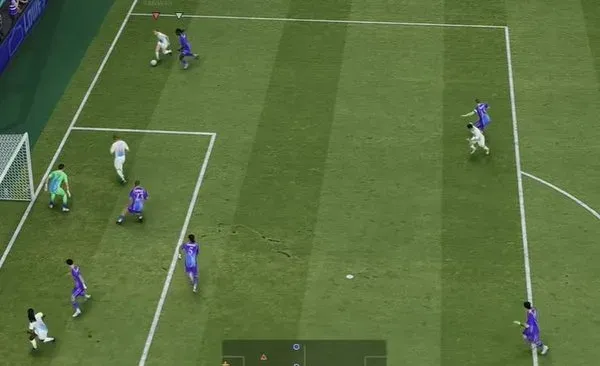
How Do You More Reliably Complete Assist-Type Objectives?
If your main goal is to complete Ultimate Team assist objectives, it's recommended to use the following corresponding methods based on the assist type requirement.
- Regular Assist: Short pass around the edge of the box, receive and shoot directly
- Through Ball Assist: Wait for the striker to make a run, then play a through ball behind the defensive line
- Cross Assist: Progress down the wing, then use the cross button to deliver the ball into the box
- Header Assist: Cross the ball and have a teammate score with a header
In short, try to make the last pass directly connect to the goal, reducing unnecessary intermediate touches.
How Do You Choose the Right Assisting Players?
If you're preparing to build a squad specifically for completing assist objectives, player stats are very important—chance creation ability is one of the most important considerations. The positions that fit best are all chosen from CAM, CM, and other wide playmakers.
Here are the stats an assister should focus on:
- Vision: Very important, for finding passing lanes and teammates' runs
- Short Passing: Very important, for ensuring short-range link-up quality
- Long Passing: Fairly important, for completing long-distance switches and through balls
- Crossing: Fairly important, especially for wing assists
- Ball Control: Important, for improving stability when receiving and organizing attacks
- Dribbling: Important, for escaping defenders and creating space to pass
- Curve: Important, helpful for some curved passes and crosses
Among these, Vision, Short Passing, and Long Passing are the three abilities most worth prioritizing for a central playmaking assister.