If you run repeatable upgrade SBCs in FC 27 Ultimate Team, it is easy to fall into a trap: buying extra cards just to keep a cycle running, only to end up with more low-value untradeable packs and fewer coins. Many players follow simple rating rules, but overlook opportunity cost. A card is not “free” just because it cannot be sold.
This guide uses practical SBC requirements and fodder management principles to help you make better decisions before submitting or buying cards. It focuses on resource flow across multiple upgrades and clear stopping rules, rather than ranking individual SBC rewards.
Sort Your Club Before Starting
Start by grouping your fodder before touching any upgrade. Duplicate golds and unwanted untradeable low-rated golds are your safest starting material.
Card rating is only one factor to weigh. Item Score, active SBC demands and future value all matter. An 84-rated card may sometimes be more useful than an 85-rated card, depending on the requirements of active SBCs. Tradeable high-rated golds should be checked against market price first; selling can be better than feeding them into packs. Reserve stronger fodder based on upcoming SBC needs, not a rigid rating cutoff.
Build Your Fodder Recycling Loop
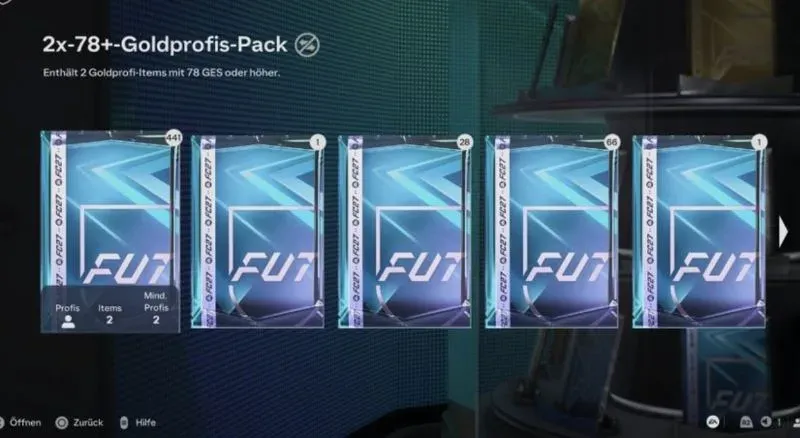
Use surplus gold cards to run your cycle. Low-value duplicate golds can feed the Gold Upgrade for two 78+ gold packs. Use surplus low-rated Gold cards for the 2x 81+ Upgrade when its requirements and expected value justify the cost. Avoid using useful high-rated fodder just to keep the cycle running.
After opening rewards, sort the new cards again. Low-value pulls return to the loop; higher-rated fodder gets stored for later use. Avoid relying on shortcuts based on outdated squad requirements. Always check the current Gold Upgrade requirements in-game before submitting.
Calculate the Real Cost of Your Grind
Track two costs before repeating an upgrade:
- Direct Coin Cost: Coins spent on purchased cards and other inputs, minus actual tradeable returns.
- Opportunity Cost: The potential SBC value of untradeable cards used in the upgrade.
For example, if you start with 10 untradeable Gold cards, buy six more to complete an upgrade, and receive two untradeable cards in return, your club has gained only two cards in quantity. The real value depends on their ratings, usefulness and what you gave up to complete the SBC.
Set Your Stop Rules
A solid grind strategy includes knowing when to pause. Stop purchasing filler cards to sustain the loop once your gold stock runs thin. If fodder prices spike, hold stronger cards instead of burning them. When a high-value limited SBC goes live, shift your stock toward that target instead of chasing ordinary upgrade packs.
Is BPM Worth Adding?
BPM can supply bronze and silver cards, but its value depends on card yield, upgrade costs and how much time you are willing to invest. It is not a guaranteed profit method and works best only when you need low-cost base material to support your loop.
Wrap-up
Strong FC 27 upgrade grinding is not about opening as many packs as possible. It relies on thoughtful recycling, careful preservation of useful fodder, and avoiding coin sinks. SBC rules and market prices shift throughout the season, so recheck live conditions before repeating any cycle.